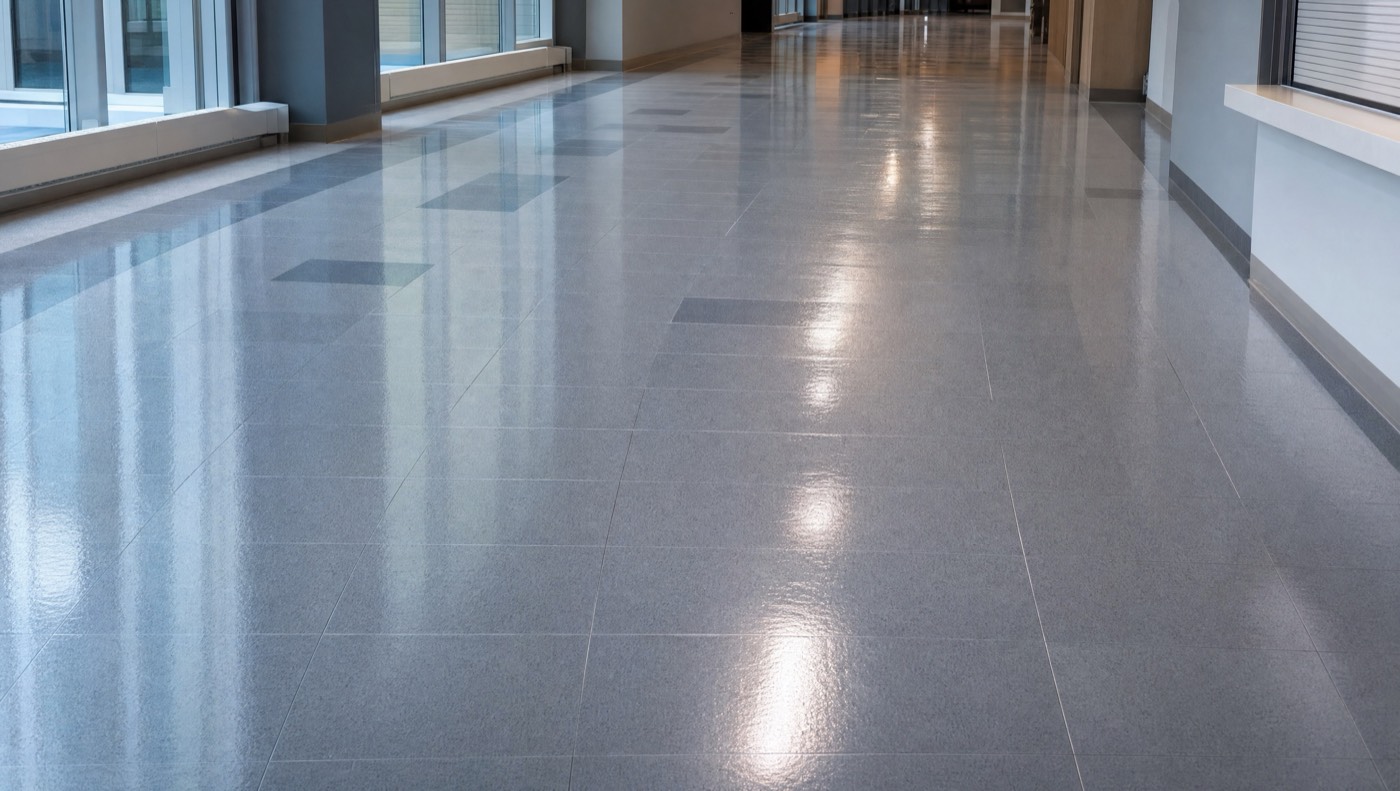
Estimate a commercial strip and wax, scrub and recoat, or burnishing job, and how much finish it takes. Enter your numbers for a ballpark, then request a written quote.
How pricing works is in the cost guide; how much finish a floor needs is in how many coats of wax and percent solids.
A calculator is a starting point, not a quote follow-up. Commercial floor-care pricing changes when the floor has heavy finish buildup, yellowing, failed finish, adhesive residue, damaged VCT, hard-to-reach rooms, heavy furniture, tight deadlines, after-hours requirements, or special facility rules.
For provider routing, the useful estimate is the one paired with facility type, floor material, service area, timeline, access window, square footage, and visible floor condition. That turns a generic price range into a qualified commercial floor-care opportunity.
Use this page to move from research into a quote-ready commercial floor-care request. The strongest submissions include floor type, service area, facility type, square footage, condition, deadline, access window, and photos when available. If the scope is large, complex, institutional, or hard to explain, a phone review, remote video walkthrough, or in-person walkthrough can help clarify the project before quote follow-up it.
Commercial floor-care pricing changes with condition, access, floor type, furniture, deadline, and the number of finish coats. Use the estimate to decide whether the project is in range, then request a written quote with photos or walkthrough notes when the condition is unclear.
Open VCT areas with light buildup, easy access, and flexible timing are usually simpler to quote.
Heavy wax buildup, many rooms, furniture moves, strict access windows, and urgent reopen dates can raise labor and scheduling complexity.
After estimating, send the facility details through the quote request so a provider can evaluate fit and timing.
Request a quoteA calculator is useful for planning, but a real commercial quote needs context. The same square footage can price differently when the floor has heavy buildup, many small rooms, strict after-hours access, furniture moves, deadline pressure, or a floor material that should not be stripped and waxed.
Send the estimate range with your facility details, floor material, photos if available, and access window. That gives floor-care teams enough context to decide whether they can quote and perform the work.
Request a written quoteTwo buildings with the same square footage can need very different quotes. A wide-open cafeteria with light wear is easier than a chopped-up clinic with heavy edge buildup, furniture moves, tight access, and a next-day reopening deadline. Use the range to plan, then let the quote request capture the operational details.
Open areas, known VCT, moderate soil, flexible timing, few furniture moves, easy water/access, and no special procurement requirements usually make the scope easier to price.
Thick old finish, yellowing, peeling, wax buildup along edges, many rooms, elevators, security access, after-hours-only windows, damaged tile, or high-traffic reopen deadlines can raise cost.
If you are unsure whether the floor is VCT, LVT, terrazzo, tile, rubber, hardwood, concrete, or gym flooring, include photos. Some materials should not be stripped and waxed at all.
For budget planning, compare the calculator result with the strip-and-wax cost guide, the main service page, and the scrub-and-recoat option. If the work is for a school, healthcare facility, church, retail store, warehouse, or property portfolio, include the facility type because timing and access can change the bid. Also include whether the work needs to happen in phases, whether entrances or corridors must stay open, and whether the provider must coordinate with security, tenants, staff, patients, students, or an event schedule. Those details turn a loose calculator estimate into a scope a commercial floor-care provider can actually evaluate.
Commercial floor-care buyers are usually trying to protect a facility, prepare for traffic, improve presentation, control safety risk, or restore floors before a deadline. The best quote requests connect the floor problem to the service, floor type, facility type, schedule, and access requirements.
High-value requests often include thousands of square feet, multiple rooms, heavy traffic lanes, old finish buildup, school or healthcare scheduling windows, retail entrances, warehouse walkways, municipal procurement steps, or a multi-location maintenance need. The buyer should understand that price changes with condition and access, not just square footage.
Useful quote notes include the facility type, floor material, current condition, deadline, preferred service window, whether furniture or shelving must move, whether the building needs low-odor products, and whether photos or a remote walkthrough can show the problem better than a written description.
Use the links below to compare scrub vs strip, review VCT floor care, check industry examples, estimate pricing with the cost calculator, or request a quote.
Use these resources to narrow the request into the right service, surface, and facility type: commercial floor waxing, floor stripping and waxing, VCT maintenance, scrub-and-recoat, burnishing, school floor care, healthcare floor care, retail floor care, and industrial floor maintenance. The buyer does not need every technical term before submitting the request.
A floor-care calculator is useful for planning, but it cannot see the condition of the old finish, the edge buildup, access restrictions, furniture, supply rooms, elevators, security procedures, drying time, or the number of coats the floor actually needs.
For high-ticket commercial floor projects, the estimate should be treated as a starting point. The next step is to submit the request with the facility type, city, square footage, photos if available, and the deadline. That lets the follow-up team determine whether the project is a full strip-and-wax, scrub-and-recoat, burnishing, VCT maintenance, tile-and-grout service, concrete care, or a broader maintenance program.
Related planning pages: commercial strip-and-wax service, strip and wax cost guide, photo checklist, and request a quote.
Use this page to move from a general floor-care question into the right quote path. Commercial floor work gets easier to price when the buyer identifies the facility type, floor material, condition, timing, and project goal.
This page helps facility buyers turn a floor problem into a quote-ready request. Use the service links, floor-type pages, industry examples, planning guides, and quote form to share enough context without overcomplicating the first step.
Floor-care leads are high-ticket because a single job can involve thousands of square feet, after-hours labor, multiple coats of finish, equipment, chemistry, access coordination, and reopening deadlines. The content should make those buying factors clear while keeping the CTA simple: request a quote, send photos if available, and use a walkthrough when the condition needs more context.
Do not wait until every detail is perfect. Start the quote request with the basics, then add photos, measurements, floor type, or walkthrough notes when available. Larger schools, hospitals, municipal buildings, retail stores, warehouses, and multi-location properties can add scope details during follow-up.
Request a floor-care quoteTell us your facility, floor types, and square footage. We'll scope the work and send a written quote. Not sure what you have? Send a photo and we'll tell you.